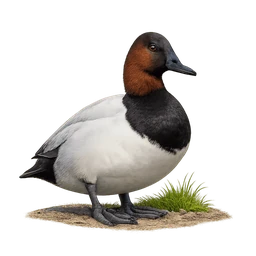
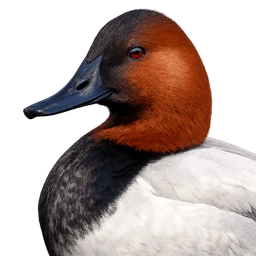
Profile
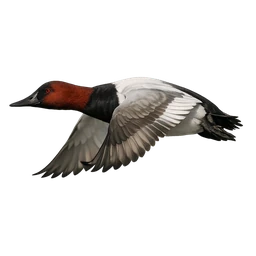
In flight
Waterfowl
Canvasback
Aythya valisineria
- uncommon
- 40 km/h
- Least Concern
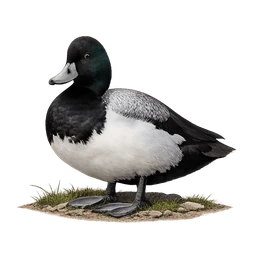
Sloping forehead, ruby-red eyes, the aristocrat of diving ducks. Once the most prized bird on American hunting tables.
- Population
- ~690,000 mature individuals (2018 estimate; increasing short-term trend, though long-term trend assessed as roughly stable)
- Habitat
- Breeds on freshwater prairie-pothole lakes, ponds, and marshes with dense emergent vegetation (cattails, bulrushes; often aspen parkland/subarctic river deltas); winters on coastal bays, estuaries, brackish lagoons, and large lakes/rivers
- Fun fact
- The canvasback's scientific name valisineria refers to wild celery (Vallisneria americana), its favored winter food, and it is North America's largest diving duck; its English common name comes from early European settlers describing its back as canvas-colored.
- Range
- Breeds across western/central Canada and the northern U.S. (prairie pothole region through Saskatchewan river deltas to Alaska); winters across the U.S. from the Pacific coast and Great Lakes to the mid-Atlantic (Chesapeake Bay), Gulf Coast/Lower Mississippi Alluvial Valley, and into Mexico; BirdLife lists extent of occurrence ~10.5M km² (breeding) / ~12.4M km² (non-breeding), with vagrant records in the Caribbean, Pacific, Japan, and South Korea
- Diet
- Omnivorous diving duck; mainly aquatic vegetation (wild celery/Vallisneria tubers, sago pondweed, seeds, buds, roots) plus mollusks (snails, clams — including Baltic clams where vegetation has declined) and aquatic insect larvae (caddisfly, dragonfly, mayfly nymphs) especially in the breeding season
- Size
- 0.52 m
- Wingspan
- 0.84 m
- Lifespan
- 22 years