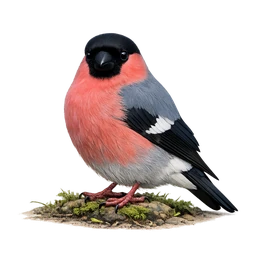
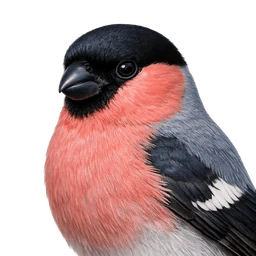
Profile
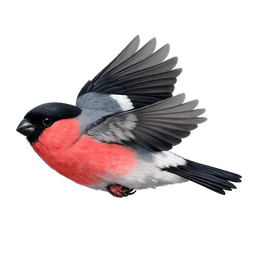
In flight
Songbirds
Eurasian Bullfinch
Pyrrhula pyrrhula
- uncommon
- 40 km/h
- Least Concern
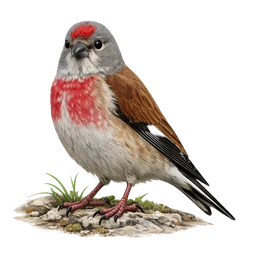
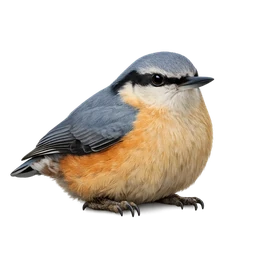
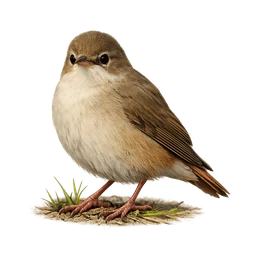
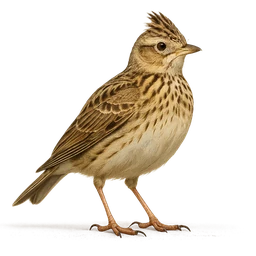
Plump, rose-breasted, and quiet. Eats flower buds by the hundred — gardeners' polite enemy.
- Population
- Global IUCN/BirdLife estimate: ~35,000,000-70,000,000 mature individuals (population trend: declining). Europe holds ~40% of global range, with ~7,650,000-13,000,000 breeding pairs (~15,300,000-26,100,000 mature individuals). Regional UK figures: ~190,000 pairs (RSPB) / ~265,000 territories in 2016 (BTO), down ~36-55% since the late 1960s/1970s due to woodland/orchard/hedgerow loss.
- Habitat
- Coniferous and mixed woodland (including taiga), orchards, hedgerows, scrub, and parks/gardens with dense vegetation for nesting
- Fun fact
- Mated Eurasian Bullfinch pairs stay in contact using soft, piping whistled duets, and unlike other finches they carry food to nestlings in a specialized sublingual pouch; the oldest wild bird on record (BTO ringing) lived 9 years, 2 months, 9 days.
- Range
- Breeds across most of Europe and temperate Asia (Palearctic), from the British Isles east to Japan and Kamchatka; largely resident, though northernmost/easternmost populations move south in winter
- Diet
- Seeds and buds, especially of ash, hawthorn, bramble, dock, nettle and privet, plus fruit-tree buds in spring (historically considered an orchard pest); nestlings are fed a mix of seeds and invertebrates carried from foraging sites in a specialized sublingual/throat pouch unique among finches
- Size
- 0.155 m
- Wingspan
- 0.24 m
- Lifespan
- 9 years