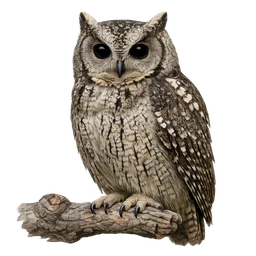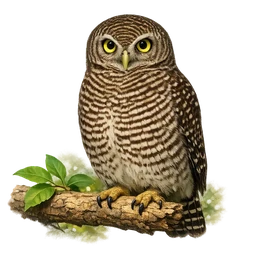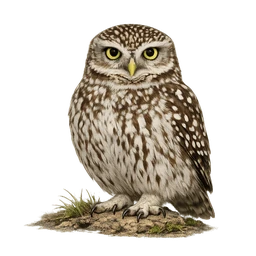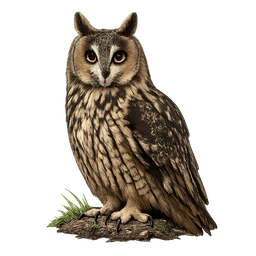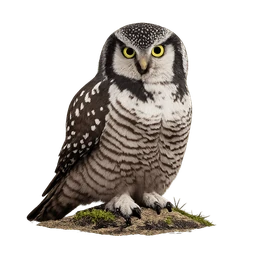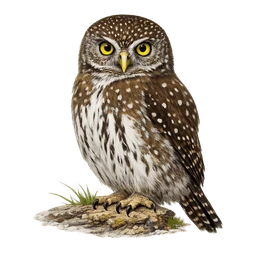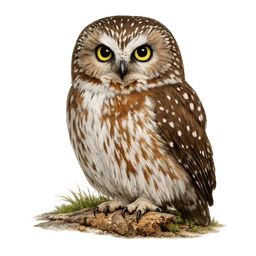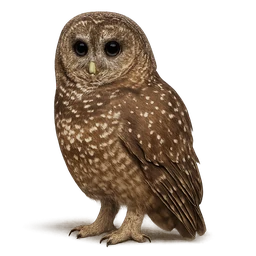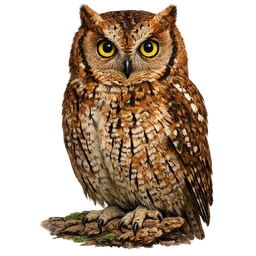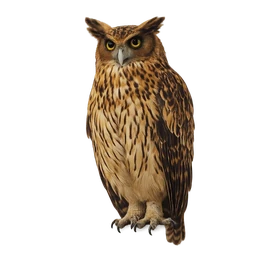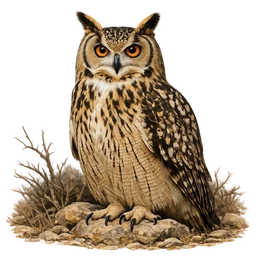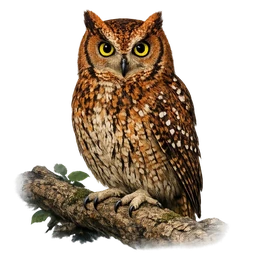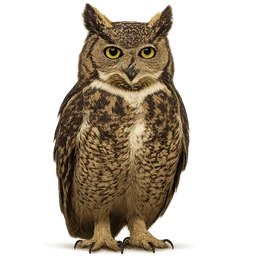
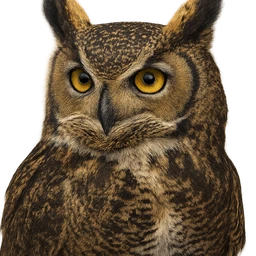
Profile
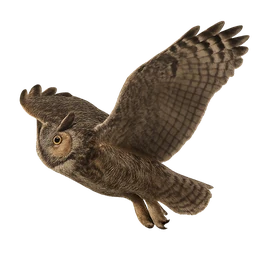
In flight
Owls
Great Horned Owl
Bubo virginianus
- common
- 64 km/h
- Starter
- Least Concern
Silent night delivery with crushing grip strength. Do not tip in live mice.
- Population
- ~5.7 million (Partners in Flight / Cornell global breeding population estimate)
- Habitat
- Highly adaptable — forests (deciduous, coniferous, mixed, tropical), deserts, wetlands, grasslands, tundra edges, rocky coasts, and urban/suburban areas
- Fun fact
- Despite its name, the Great Horned Owl has no horns at all — its distinctive "ear tufts" (plumicorns) are just feathers used in territorial/social display, and it is one of the few regular predators of skunks.
- Range
- Throughout the Americas — from the Arctic tundra edge across North, Central, and most of South America to upland regions of Argentina, Bolivia, and Peru
- Diet
- Opportunistic carnivore — mainly rabbits, hares, rodents, and other birds, but also reptiles, amphibians, fish, and invertebrates; Cornell notes it has one of the most diverse prey profiles of any raptor in the Americas (500+ prey species recorded), with North American diet composition roughly 87.6% mammals, 6.1% birds, 1.6% reptiles/amphibians, 4.7% invertebrates/insects
- Size
- 0.55 m
- Wingspan
- 1.35 m
- Lifespan
- 28 years