Profile
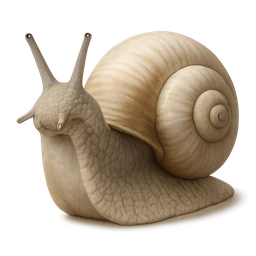
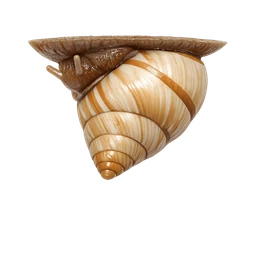
In flight
Slow & Steady
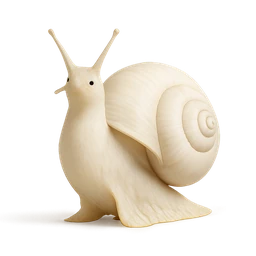
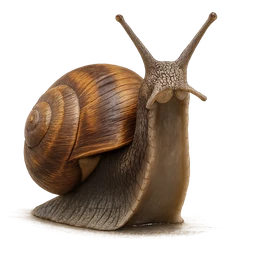
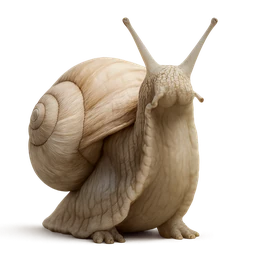
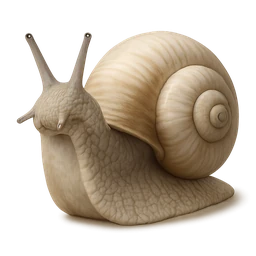
Roman Snail
Helix pomatia
- common
- 2 km/h
- Starter
- Least Concern
The escargot of couriers. Your message arrives with continental sophistication... eventually.
- Population
- No global numeric population estimate exists; the IUCN 2025 global assessment lists the overall population trend as stable, though local declines occur from habitat loss and over-collection for human consumption
- Habitat
- Deciduous forests, scrub, hedgerows, grassland, and vineyards/gardens on calcium-rich (calcareous/limestone) soils; also found in synanthropic/urban green spaces; ranges up to roughly 1,800-2,100 m elevation in the Alps
- Fun fact
- The Roman snail seals its shell opening with a hardened, calcium-rich mucus disc called an epiphragm to survive hibernation and dry periods (estivation), sometimes remaining dormant for extended stretches.
- Range
- Native to central and southeastern Europe (extending east to Ukraine/Moldova); current distribution spans from western Russia across Britain, Scandinavia, and Spain; introduced/naturalized populations established in North America and elsewhere via human transport
- Diet
- Herbivorous — grazes on leaves, fruits, flowers, plant sap, and decaying vegetation, with a marked preference for stinging nettle (Urtica dioica), especially in juveniles; requires calcium-rich food sources for shell growth
- Size
- 0.045 m
- Lifespan
- 20 years