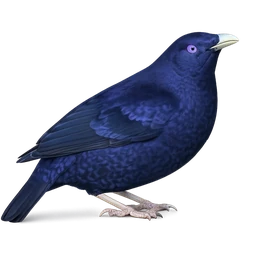
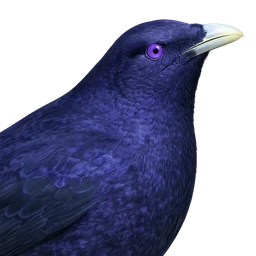
Profile
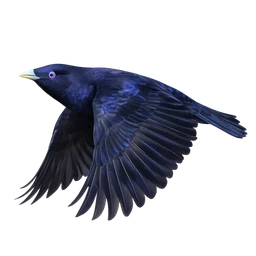
In flight
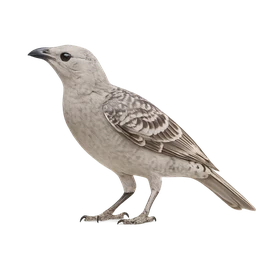
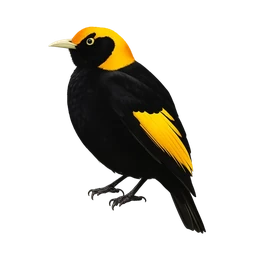
Bowerbirds
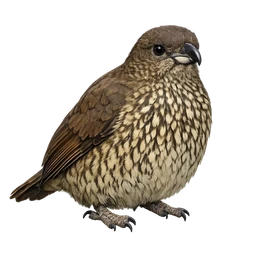
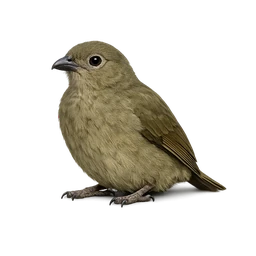
Satin Bowerbird
Ptilonorhynchus violaceus
- legendary
- 43 km/h
- Least Concern
Males build and decorate elaborate stick bowers with blue objects. The bower isn't a nest. It's a gallery.
- Population
- Unquantified; described by BirdLife/IUCN as locally fairly common, with an overall decreasing population trend attributed to habitat loss
- Habitat
- Rainforest and tall moist sclerophyll (wet eucalypt) forest, extending into rural gardens and urban areas near forest edges
- Fun fact
- Male satin bowerbirds build and obsessively decorate stick bowers with blue objects (feathers, flowers, berries, and even stolen ballpoint pens, bottle tops, or clothes pegs) to attract females, don't attain their glossy blue-black adult plumage until about seven years old, and one banded wild individual lived to at least 26 years old — the longest confirmed lifespan of any passerine.
- Range
- Eastern Australia, from southern Queensland to Victoria, plus an isolated population in the Wet Tropics of far north Queensland (endemic to Australia, extent of occurrence ~1,790,000 km2)
- Diet
- Primarily fruit year-round as adults, supplemented with leaves and buds in winter and insects (beetles, grasshoppers, cicadas) especially during breeding season; nestlings are fed mostly insects
- Size
- 0.3 m
- Lifespan
- 26 years