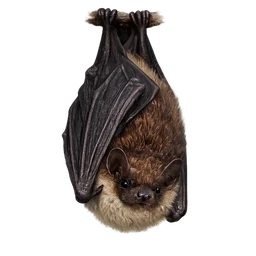
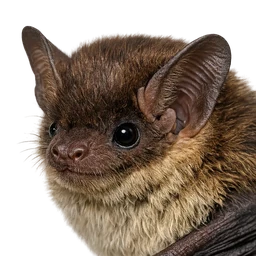
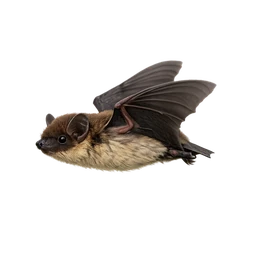
Kelelawar (Bats)
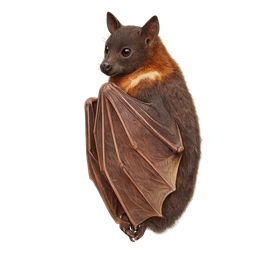
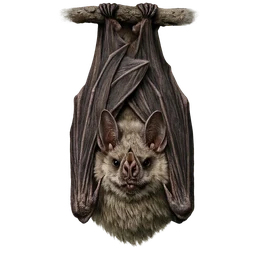
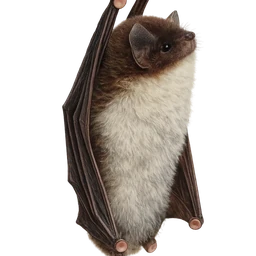
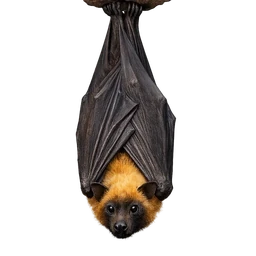
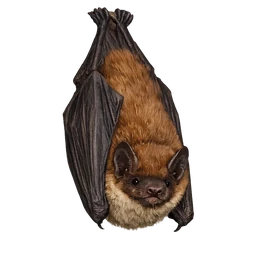
Little Brown Bat
Myotis lucifugus
- tidak umum
- 35 km/h
- Terancam punah
Eats up to 1,000 insects per hour by echolocation. White-nose syndrome has killed millions. Still delivers.
- Populasi
- Pre-decline rangewide estimate ~6.5 million; white-nose syndrome has cut eastern North American hibernacula populations by 90-99% since 2006-2007, with modeling projecting continued steep declines (one estimate as low as ~65,000 by 2026) in affected regions, while the species remains common in unaffected western/central portions of its range
- Habitat
- Forested areas near lakes, rivers, and wetlands; roosts in tree hollows, rock crevices, buildings, and other structures in summer (day, night, and maternity roosts), and hibernates in caves and abandoned mines in winter
- Fakta menarik
- Little brown bats are exceptionally long-lived for their size — a banded wild individual in Ontario was recovered roughly 31 years after banding, and individuals can live up to 30 years despite the bat weighing only a few grams.
- Sebaran
- North America: southern Alaska and across Canada, throughout the United States from the Pacific to Atlantic coasts, and higher-elevation forests of Mexico; absent from northern Canada, most of Florida, the southern Great Plains, southern California, and parts of the coastal Carolinas/Virginia
- Makanan
- Insectivore — eats midges, mosquitoes, beetles, moths, caddisflies, and mayflies caught in flight over water and open areas, consuming roughly half (lactating females up to 100%+) of its body weight in insects each night
- Ukuran
- 0,09 m
- Bentang sayap
- 0,25 m
- Masa hidup
- 6,5 tahun