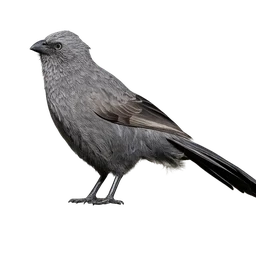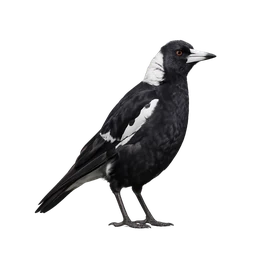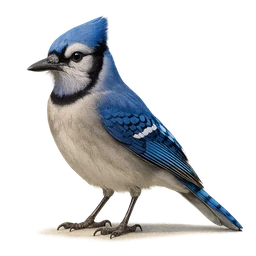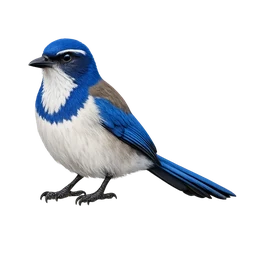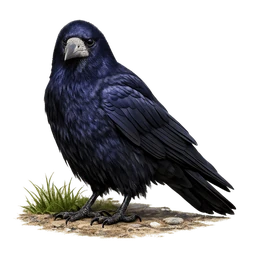
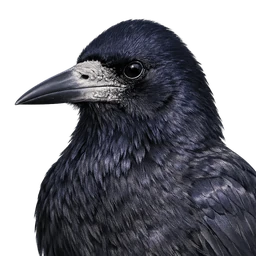
Profile
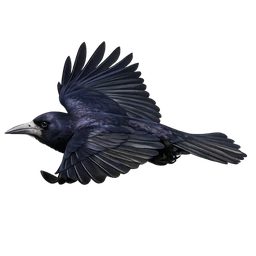
In flight
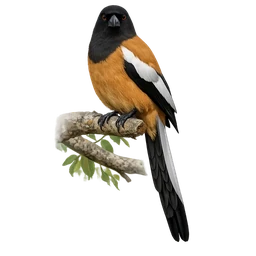
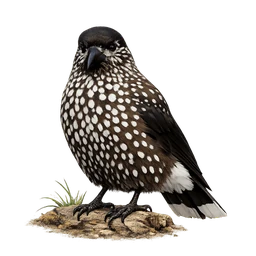
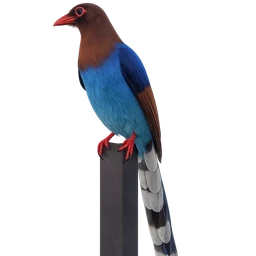
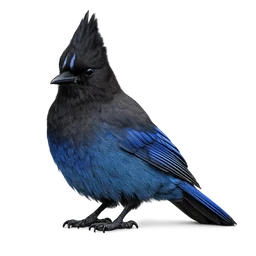
Clever Corvids
Rook
Corvus frugilegus
- rare
- 55 km/h
- Least Concern
Nests in raucous colonies in tall trees and solves puzzles in lab tests. Group-chat courier.
- Population
- ~38,000,000–71,000,000 mature individuals globally (decreasing trend)
- Habitat
- Open agricultural land, pasture and arable fields with tall trees nearby for breeding, plus wooded steppe, riverine plains and urban peripheries/parks; avoids dense forest, wetlands, and heavily built-up urban cores; most rookeries below ~120 m elevation, though the species' broader habitat suitability extends up to 2,000 m
- Fun fact
- Captive rooks have solved Aesop's-fable-style water-displacement puzzles (dropping stones into a tube to raise the water level and reach a floating food reward), demonstrating tool-use and physical-causal reasoning on par with some great apes despite never using tools in the wild.
- Range
- Palearctic — from Scandinavia and western Europe across Russia to central/eastern Siberia (extent of occurrence ~37.6 million km² breeding, ~35.4 million km² non-breeding); western populations (C. f. frugilegus) largely resident, eastern populations (C. f. pastinator) and northern/eastern populations partially to fully migratory
- Diet
- Omnivorous, roughly 60% plant matter (cereal grain, potatoes, roots, fruit, acorns, berries, seeds) and 40% animal matter, mainly earthworms and insect larvae probed from soil with its bill, plus beetles, spiders, millipedes, slugs, snails, and occasionally small mammals and birds
- Size
- 0.45 m
- Wingspan
- 0.9 m
- Lifespan
- 23 years