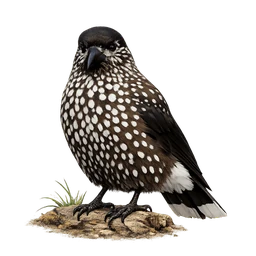
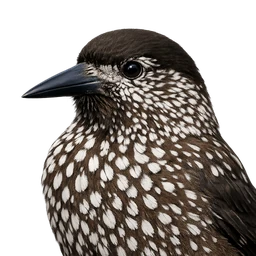
Profile
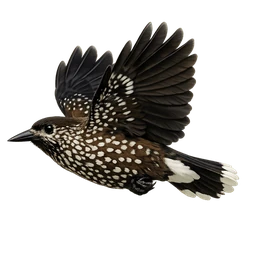
In flight
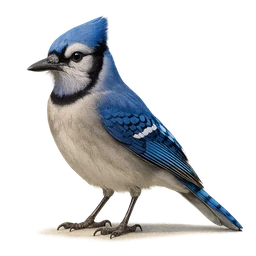
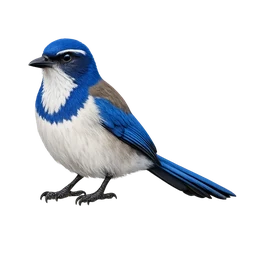
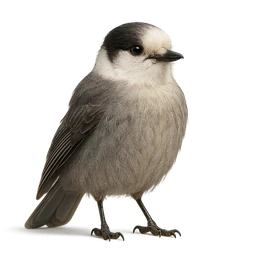
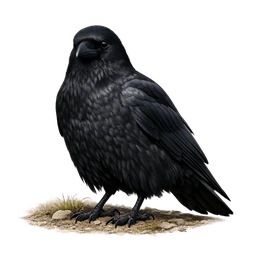
Clever Corvids
Spotted Nutcracker
Nucifraga caryocatactes
- rare
- 55 km/h
- Least Concern
Buries tens of thousands of pine seeds each fall in alpine forests. Forgetful enough to plant a forest, sharp enough to find most of them.
- Population
- Approx. 2,980,000–6,100,000 mature individuals globally (decreasing trend, ~5–9% decline over three generations suspected, driven by ~7.4% forest habitat loss across range) — confirmed via BirdLife DataZone factsheet
- Habitat
- Coniferous and mixed forests (spruce, pine, fir; e.g., Norway spruce, Swiss pine, Siberian pine), from sea level/lowlands up to about 4,000 m elevation; shows high dependency on conifer forest and conifer seed crops, especially white/stone pines such as Siberian pine, often alongside birch or hazel
- Fun fact
- The Spotted (Northern) Nutcracker's tongue has a forked, keratinized tip that acts like a built-in tool for prying open and shelling conifer seeds, and its habit of caching tens of thousands of pine seeds each autumn has helped reforest Alpine stands of Swiss pine.
- Range
- Broad Eurasian band (extent of occurrence ~37.4 million km²) from southern France and the Alps/Carpathians/Balkans east through Europe to the Urals, Kazakhstan, Mongolia, Siberia, Kamchatka, northern China, Korea, and Japan
- Diet
- Primarily seeds of white/stone pines (e.g., Swiss pine, Siberian pine, Korean pine) and spruce; also hazelnuts, insects, small vertebrates (small birds, nestlings, rodents), eggs, carrion, and insect/bee/wasp grubs
- Size
- 0.35 m
- Wingspan
- 0.51 m
- Lifespan
- 10 years