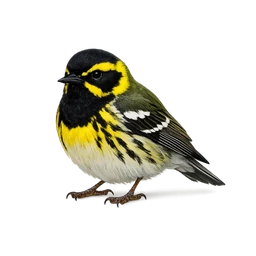
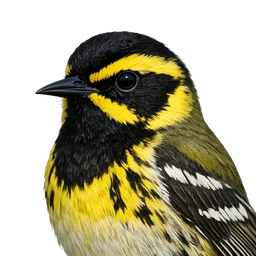
Profile
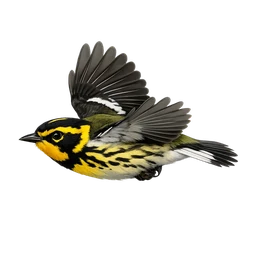
In flight
Songbirds
Townsend’s Warbler
Setophaga townsendi
- uncommon
- 32 km/h
- Least Concern
Winters by sipping sweet honeydew secreted by scale insects on Pacific coast pines. Nectar? Sure, close enough.
- Population
- ~21 million mature individuals (2019 estimate; moderate decline, ~7% over the past decade)
- Habitat
- Mature coniferous/mixed forest (Douglas-fir, hemlock, spruce, old-growth fir) with tall trees for breeding, from sea level to subalpine; during migration and winter uses oak woodland, chaparral, desert oases, riparian corridors, montane moist forest, and suburban parks
- Fun fact
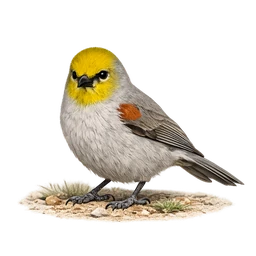
- Townsend's Warblers are closely related to Hermit Warblers and regularly interbreed with them in a hybrid zone through the Cascades and Coast Ranges, producing intergrade plumages.
- Range
- Breeds along the Pacific Northwest coast of North America from southern Alaska through British Columbia to Oregon and northern California (with inland Rockies pockets); winters along the US Pacific coast and south through Mexico and Central America, with some records into northern South America and Caribbean vagrants; Haida Gwaii birds are short-distance migrants
- Diet
- Primarily insects and spiders (caterpillars including spruce budworm, ants, beetles, moths) gleaned from conifer foliage, with occasional hover-gleaning/aerial sallies; supplements with nectar, seeds, berries, and honeydew from scale insects during migration and winter
- Size
- 0.12 m
- Wingspan
- 0.2 m
- Lifespan
- 7 years