Unggas air (Waterfowl)
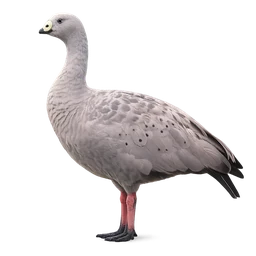
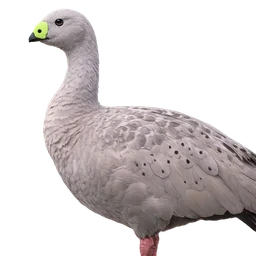
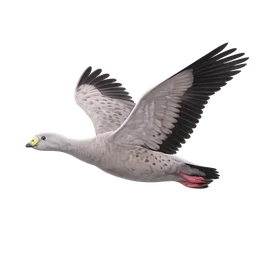
Cape Barren Goose
Cereopsis novaehollandiae
- tidak umum
- 70 km/h
- Risiko rendah
Grazes on dry land more than any other goose. Survives on salty vegetation, drinking barely any water. Built for islands.
- Populasi
- ~16,000–18,000 individuals total (approx. 11,000–12,000 mature), stable trend
- Habitat
- Breeds on grassy, tussock-covered offshore granite islands with pasture or low heathy scrub; outside breeding season also uses coastal pastures, beaches, and shores of freshwater and brackish lagoons/lakes. Able to drink salt/brackish water, letting it stay on islands year-round.
- Fakta menarik
- The species owes its name to survivors of the 1797 Sydney Cove shipwreck, who hunted the geese for food on Preservation Island near Cape Barren and named them accordingly.
- Sebaran
- Endemic to southern Australia — southeastern Victoria, eastern South Australia, Tasmania and the Bass Strait islands, and the Recherche Archipelago off southwestern Western Australia — with a small introduced resident population near Christchurch, New Zealand.
- Makanan
- Strict herbivore/grazer: island tussock grass (Poa poiformis), spear grass, sedges, clover and other legumes, herbs, and succulents (e.g. Disphyma australe); also grazes pasture grasses and cereal crops like barley near farmland.
- Ukuran
- 0,85 m
- Bentang sayap
- 1,7 m
- Masa hidup
- 12 tahun