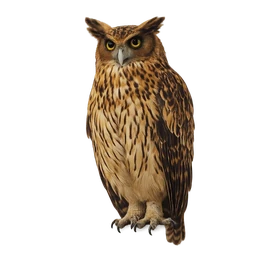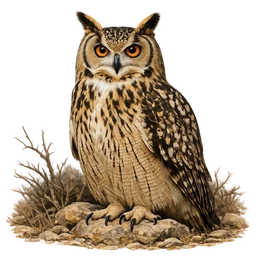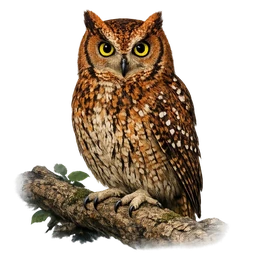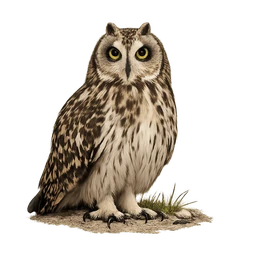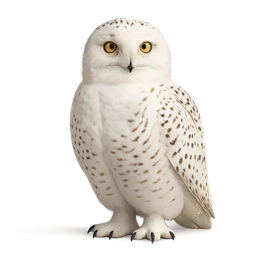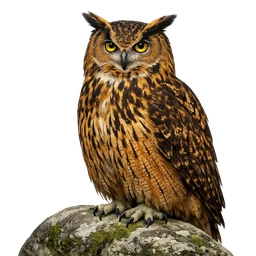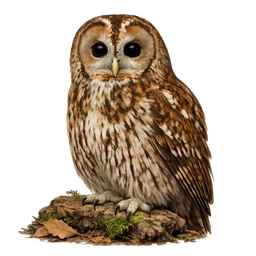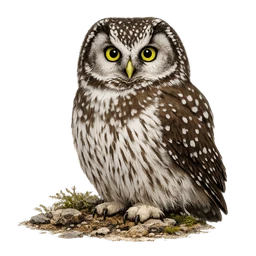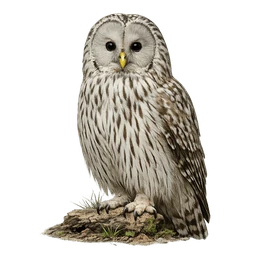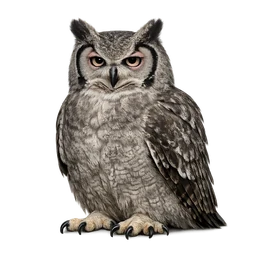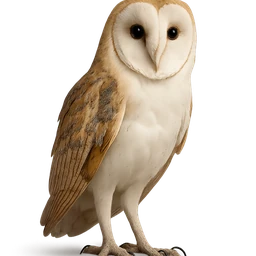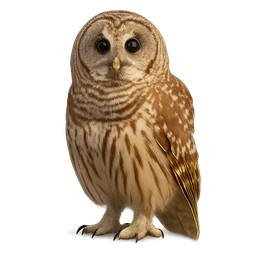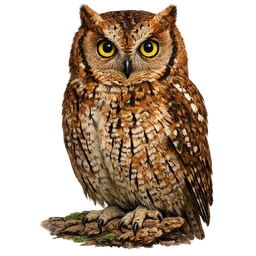
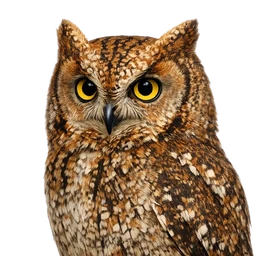
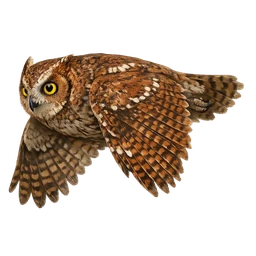
Burung hantu (Owls)
Oriental Scops-Owl
Otus sunia
- langka
- 55 km/h
- Risiko rendah
A scrap of bark with eyes, calling its three soft notes from the cool side of the night. You walk past one every summer and never know.
- Populasi
- Global total not quantified; the species is reported to be very abundant regionally with a stable population trend and no evidence of decline; regional breeding estimates put China, Japan and Korea each at roughly 10,000-100,000 breeding pairs, and Russia at 100-10,000 breeding pairs
- Habitat
- Deciduous and mixed forests, open evergreen woodland, shrubland/savanna, forest edges, parks and orchards; medium forest dependency, adapting well to modified landscapes including plantations, gardens, agricultural land and urban areas (often near street lights); occurs mainly from 0 up to about 1,500 m, locally higher (1,500-2,300 m) in the Himalayas
- Fakta menarik
- The Oriental Scops-Owl occurs in two color morphs, rufous/grey and a grey-brown form (with intermediates), which can even appear in owlets from the same brood.
- Sebaran
- Breeds from eastern Russia and Japan across Korea and China to the Himalayas, and south through India and mainland Southeast Asia; northern/temperate populations are full migrants wintering further south into South and Southeast Asia and the Greater Sundas; extent of occurrence approx. 22.2 million km2; recorded across roughly 23 countries and territories from Pakistan and Sri Lanka east to Japan and south to Indonesia
- Makanan
- Mainly insects and spiders; also takes small rodents and birds; hunts from a perch or in flight, swooping to the ground for prey or gleaning insects from foliage, typically near forest edges and in open areas at night
- Ukuran
- 0,19 m
- Bentang sayap
- 0,48 m
- Masa hidup
- 2 tahun