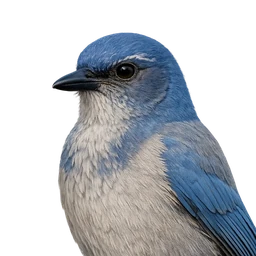
Profile
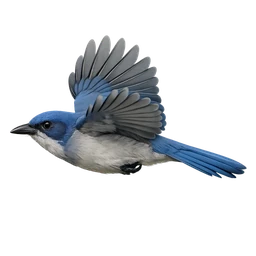
In flight
Clever Corvids
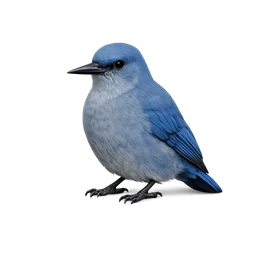
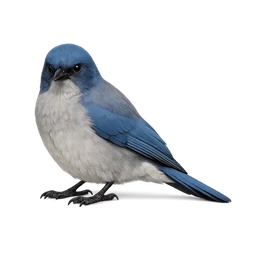
Mexican Jay
Aphelocoma wollweberi
- uncommon
- 38 km/h
- Least Concern
No pair raises chicks alone. Mexican Jays breed cooperatively, with up to a dozen helpers feeding each nest.
- Population
- ~430,000 individuals globally (~140,000 mature individuals in the USA), stable trend (BirdLife DataZone 2025 factsheet, sourced to Partners in Flight 2024; eBird Status & Trends shows a moderate US increase 2012-2022)
- Habitat
- Montane pine-oak-juniper woodland, from the upper edge of deserts up to high mountain ridges (roughly sea level to ~3,400 m, commonly cited as up to ~11,000 ft/3,350 m in the US portion of its range)
- Fun fact
- Mexican Jays live in stable, cooperatively breeding family flocks (5-25 birds) where young from previous years remain as helpers to feed and defend the next brood, and DNA studies at Arizona's Chiricahua Mountains long-term study site found roughly 40% of nestlings were not the offspring of the primary male feeding them -- one of the classic long-running models for the evolution of cooperative breeding and extra-pair mating in birds.
- Range
- Resident (non-migratory) across the Sierra Madre Oriental, Sierra Madre Occidental, and Central Plateau of Mexico, extending into the "sky island" mountains of the southwestern US (Arizona, New Mexico, west Texas); IUCN-mapped extent of occurrence ~997,000 km2 across Mexico and the USA only
- Diet
- Omnivorous generalist; acorns and pine nuts (cached in autumn for winter) form the bulk of the diet, supplemented year-round by insects and other arthropods, small vertebrates (lizards, snakes, frogs), and birds' eggs/nestlings
- Size
- 0.29 m
- Wingspan
- 0.43 m
- Lifespan
- 10 years